A New Search Landscape
Search has entered a new stage. People no longer rely only on traditional search engines to find information. Many now ask questions directly in AI-powered tools like ChatGPT, Gemini, and other conversational search platforms. Instead of browsing several web pages, users often expect a single, complete answer.
This shift changes how businesses should think about online visibility. Ranking well on a search engine results page is still valuable, but appearing in AI-generated answers is becoming equally important.
This is where AI Search Optimization plays a significant role.
AI Search Optimization focuses on creating trustworthy, well-structured, and informative content that AI systems can understand, reference, and present when answering user questions. Businesses that adapt early can improve their visibility across both traditional search engines and emerging AI search experiences.
At Sites by Sara, we help businesses create websites and content that remain valuable as search technology continues to evolve.
What Is AI Search Optimization?
AI Search Optimization is the process of improving your website so AI-powered search platforms can easily understand, evaluate, and reference your content.
Unlike traditional search, which often returns a list of links, AI search engines analyze information from multiple trusted sources before generating responses.
This means your content should clearly answer questions, demonstrate expertise, and present information in an organized format.
A successful strategy combines:
- High-quality content
- Strong website structure
- Clear topic organization
- Technical SEO
- Structured data
- Trustworthy information
These elements help AI systems recognize your website as a reliable source.
How AI Search Engines Evaluate Content
AI search platforms use language models alongside search indexes to identify the most relevant information.
Rather than focusing only on keywords, they examine:
- Topic relevance
- Context
- Accuracy
- Authority
- Content quality
- User intent
- Website credibility
Pages that answer questions clearly and completely often perform better than pages written mainly for keyword placement.
This is why content should always prioritize useful information.
Create Content That Answers Real Questions
Many AI searches begin as natural conversations.
Instead of searching “SEO services,” users may ask:
- How can I improve my local business visibility?
- What is AI Search Optimization?
- How do AI search engines rank websites?
- What makes content trustworthy for AI search?
Your content should answer these questions directly.
Organize information using descriptive headings and concise paragraphs so both readers and AI systems can understand the page quickly.
Build Topical Authority
AI search engines prefer websites that consistently publish reliable information around a subject.
Instead of creating isolated articles, develop a collection of related content.
For example, if your website focuses on SEO, publish articles covering:
- Technical SEO
- Local SEO
- Content optimization
- Structured data
- Website performance
- Internal linking
- Search intent
- AI Search Optimization
These connected topics demonstrate depth and improve overall relevance.
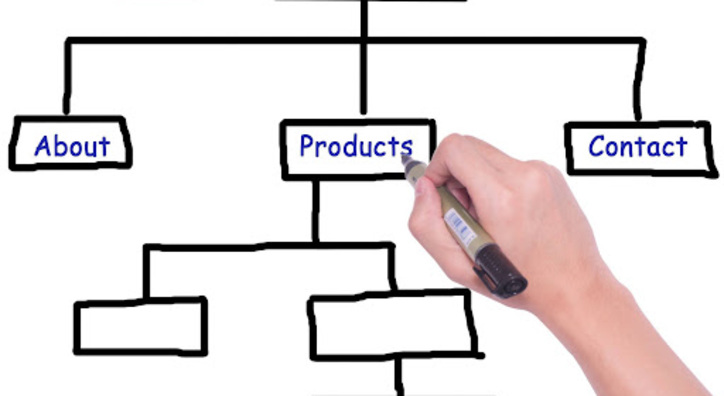
Use Clear Website Structure
A well-organized website benefits both visitors and AI systems.
Every page should have:
- One primary topic
- Logical heading hierarchy
- Simple navigation
- Relevant internal links
- Clear page titles
- Descriptive meta descriptions
Avoid overcrowding pages with unrelated subjects.
A focused page is easier for AI systems to understand.
Improve Content Readability
AI systems process information more effectively when it is well organized.
Use:
- Short paragraphs
- Meaningful headings
- Bullet lists
- Numbered steps
- Tables
- Frequently asked questions
Readers also appreciate content that is easy to scan.
Simple formatting improves usability without sacrificing depth.
Strengthen Website Trust
AI search engines favor trustworthy sources.
You can improve credibility by providing:
- Accurate contact information
- Author details
- Company information
- Updated content
- Reliable references when appropriate
- Secure HTTPS website
- Privacy and contact pages
Trust signals help both visitors and search systems evaluate your website.
Use Structured Data
Structured data gives search engines additional context.
Schema markup can identify:
- Articles
- Organizations
- FAQs
- Services
- Reviews
- Authors
- Products
Although structured data does not guarantee visibility, it helps search systems interpret page content more accurately.
Focus on Search Intent
Understanding search intent remains one of the most important aspects of AI Search Optimization.
Every page should satisfy one primary purpose.
Common search intents include:
| Search Intent | Example Query |
| Informational | What is AI Search Optimization? |
| Navigational | Sites by Sara SEO services |
| Commercial | Best AI SEO agency |
| Transactional | Hire an SEO company |
Matching content to user intent improves relevance.
Strengthen Internal Linking
Internal links help AI systems understand relationships between pages.
For example, an article about AI Search Optimization could naturally link to:
- Technical SEO Guide
- Local SEO Best Practices
- Website Speed Optimization
- Content Strategy
- Schema Markup Guide
This creates a stronger topical structure throughout the website.
Keep Content Current
AI search systems value accurate information.
Review important pages regularly to:
- Update statistics
- Refresh examples
- Improve explanations
- Remove outdated information
- Expand useful sections
Fresh content provides better value to readers and improves long-term relevance.
Measure Your Progress
Track performance using metrics such as:
| Metric | Why It Matters |
| Organic traffic | Measures visitor growth |
| Keyword rankings | Tracks visibility |
| Click-through rate | Evaluates page appeal |
| User engagement | Indicates content quality |
| Time on page | Shows reader interest |
| Conversion rate | Measures business results |
| Indexed pages | Confirms search visibility |
While AI search visibility is still developing, improvements in these metrics often reflect stronger overall optimization.
Common Mistakes to Avoid
Businesses often reduce their visibility by making preventable mistakes.
Avoid:
- Publishing thin content
- Repeating keywords unnaturally
- Ignoring technical SEO
- Creating duplicate pages
- Weak internal linking
- Outdated information
- Poor mobile experience
- Slow website speed
High-quality content supported by a technically sound website remains the strongest long-term strategy.
Looking Ahead
AI Search Optimization is becoming an important part of digital visibility as more people rely on conversational search tools to find answers. Businesses that focus on clarity, accuracy, and helpful content are more likely to appear in AI-generated responses alongside traditional search results.
Success does not come from chasing algorithms. It comes from creating content that answers real questions, organizing information in a logical way, and maintaining a trustworthy website. These practices have always been valuable, and they continue to matter as AI search evolves.
At Sites by Sara, we help businesses build websites and content strategies that support long-term visibility across both traditional search engines and modern AI-powered search experiences.